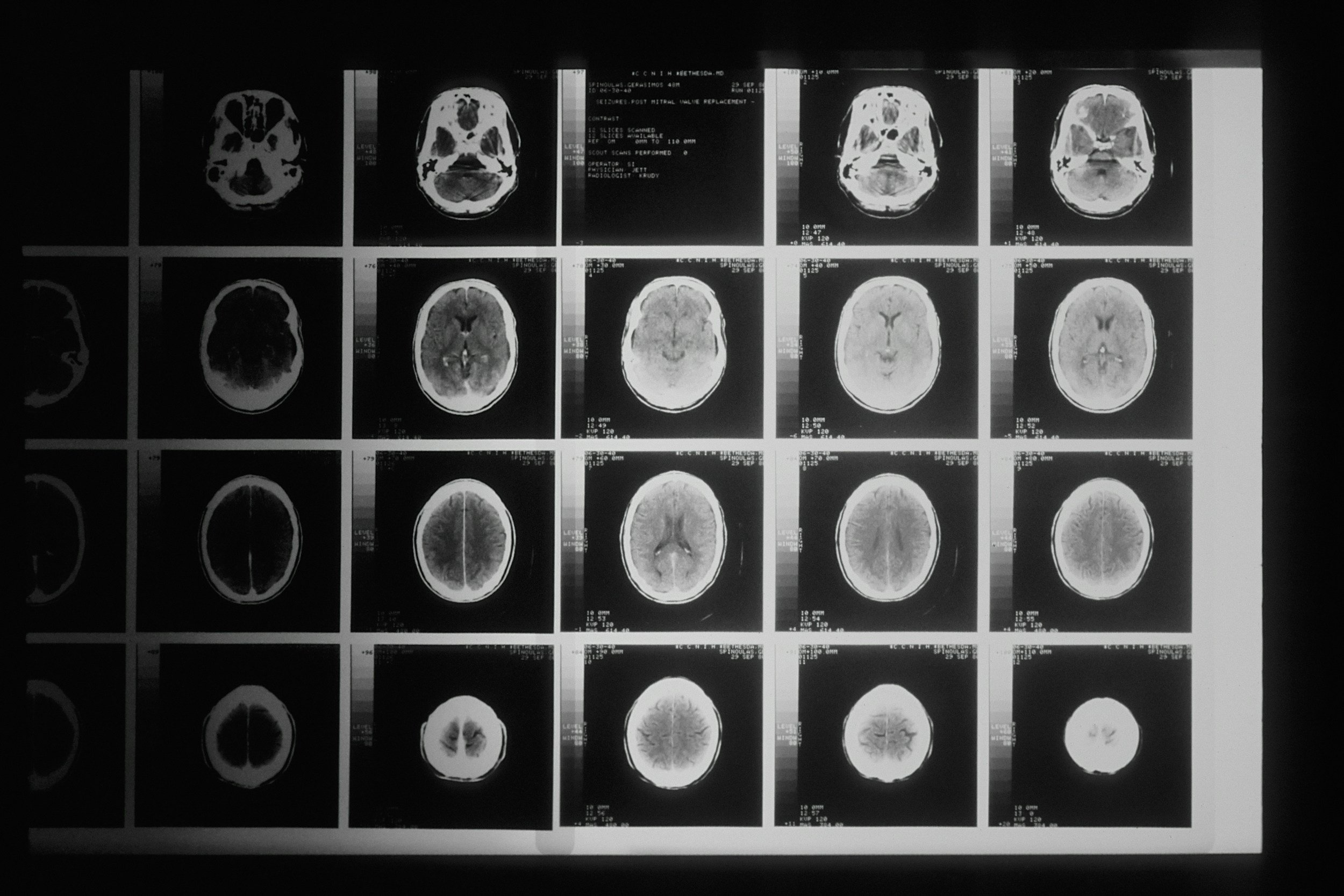
A stroke occurs when the blood supply to part of the brain is disrupted, either due to a blockage (ischaemic stroke) or bleeding (haemorrhagic stroke). After a stroke or transient ischaemic attack (TIA), the risk of a further stroke is significantly higher.
Diet and lifestyle play a critical role in reducing this risk by helping to manage key factors such as blood pressure, cholesterol, blood glucose, body weight, and overall cardiovascular health.
Stroke secondary prevention focuses on long-term risk reduction, not short-term dieting, and aims to support recovery, independence, and quality of life.
Why It Matters
Without appropriate secondary prevention, people who have had a stroke are at increased risk of:
Recurrent stroke or TIA
Heart attack and other cardiovascular disease
Poor blood pressure or cholesterol control
Worsening diabetes or new-onset diabetes
Reduced physical function and independence
Long-term disability and reduced quality of life
Evidence shows that targeted dietary intervention, alongside medical treatment, significantly reduces the risk of further vascular events.
Who This Service Is For
This service is designed for adults who have:
Had a stroke or TIA and want to reduce their future risk
Been advised to improve cholesterol, blood pressure, or blood glucose control
Received stroke prevention advice but want clearer, practical guidance
Other conditions such as diabetes, kidney disease, or heart disease alongside stroke
Concerns about weight, appetite, fatigue, or muscle loss following stroke
If you are unsure whether this service is right for you, please get in touch and I will be happy to advise.
What to Expect in Your Assessment
During your session, your dietitian will:
Review your current situation – including stroke history, medications, symptoms, lifestyle factors, and current diet.
Explain stroke secondary prevention clearly – how nutrition influences blood pressure, cholesterol, glucose control, and vascular health.
Assess your nutritional requirements – ensuring your intake supports recovery while reducing cardiovascular risk.
Identify any nutritional risks – such as poor appetite, unintentional weight loss, low fibre intake, or excess saturated fat or salt.
Provide practical dietary strategies – including:
Heart-healthy eating patterns
Reducing salt and saturated fat
Improving fibre intake
Supporting weight management where appropriate
Discuss real-life application – meal planning, shopping, eating out, and sustainable changes.
Liaising with your GP where blood tests, lipid or glucose monitoring, or a medication review may be helpful.
Agree a personalised plan – clear, achievable steps to reduce future stroke risk and support long-term health.
Your plan will be tailored to your individual needs and, where appropriate, can be shared with your wider healthcare team to support coordinated care.
Stroke Secondary Prevention