Dementia and Parkinson’s disease can significantly affect appetite, eating ability, digestion, and nutritional intake. Changes in memory, movement, swallowing, energy levels, and medication effects can all make it harder to maintain adequate nutrition over time. As a result, people living with these conditions are at increased risk of weight loss, malnutrition, reduced strength, and loss of independence if nutrition is not actively supported.
Effective nutrition care focuses on maintaining adequate intake, preserving muscle mass and strength, managing symptoms, and supporting quality of life, rather than restrictive dietary rules.
Why It Matters
Without appropriate nutritional support, people living with dementia or Parkinson’s disease are at increased risk of:
Unintentional weight loss and malnutrition
Loss of muscle mass and physical strength
Increased risk of falls and infections
Fatigue and reduced energy levels
Swallowing difficulties and dehydration
Reduced independence and quality of life
Evidence shows that early and ongoing dietetic intervention, with a focus on adequate energy, protein, and micronutrient intake, can help maintain nutritional status and support overall wellbeing in both conditions.
Who This Service Is For
This service is designed for adults who:
Have been diagnosed with dementia or Parkinson’s disease
Have experienced weight loss, reduced appetite, or fatigue
Struggle with eating due to memory problems, tremor, rigidity, or slow movement
Have swallowing difficulties or require texture-modified diets
Experience constipation or digestive discomfort
Rely on carers or family members for meal support
Want clear, practical nutrition guidance tailored to their condition
Carers and family members are welcome to be involved where appropriate.
If you are unsure whether this service is right for you or someone you support, please get in touch and I will be happy to advise.
What to Expect in Your Assessment
During your session, your dietitian will:
Review your current situation – including diagnosis, disease stage, medications, appetite, weight history, swallowing status, bowel habits, lifestyle factors, and current dietary intake.
Explain nutrition in dementia and Parkinson’s disease clearly – how eating patterns may change and how nutrition can support strength, symptom management, and quality of life.
Assess nutritional requirements – ensuring energy and protein intake are sufficient to prevent weight loss and muscle decline.
Identify nutritional risks – such as low intake, dehydration, swallowing difficulties, constipation, or micronutrient deficiencies.
Provide practical dietary strategies – including:
Fortifying meals and snacks
Supporting regular meal and snack routines
Optimising protein intake across the day
Managing reduced appetite, fatigue, or constipation
Discuss real-life application – shopping, meal preparation, eating out, texture modification if needed, and support for carers.
Liaising with your GP (if appropriate) – for swallowing assessment, supplementation, medication review, or further medical input.
Agree a personalised plan – clear, achievable steps to support nutrition, physical function, comfort, and long-term wellbeing.
Your plan will be tailored to individual needs and, where appropriate, can be shared with the wider healthcare team to support coordinated care.
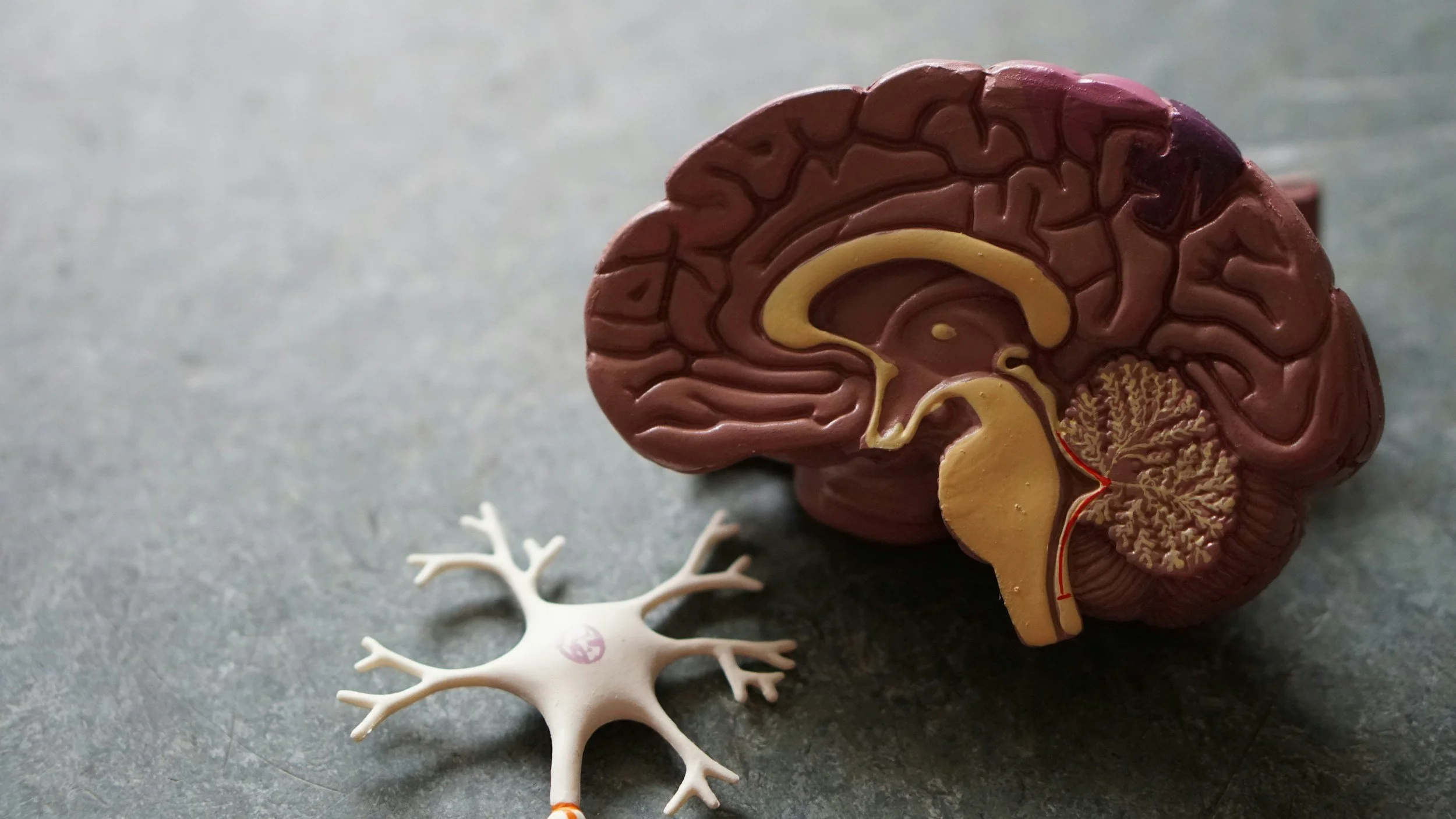
Nutrition for Dementia and Parkinson’s Disease